EU Policymakers Meet in Strasbourg to Advance Vision for a Pan-European Supergrid
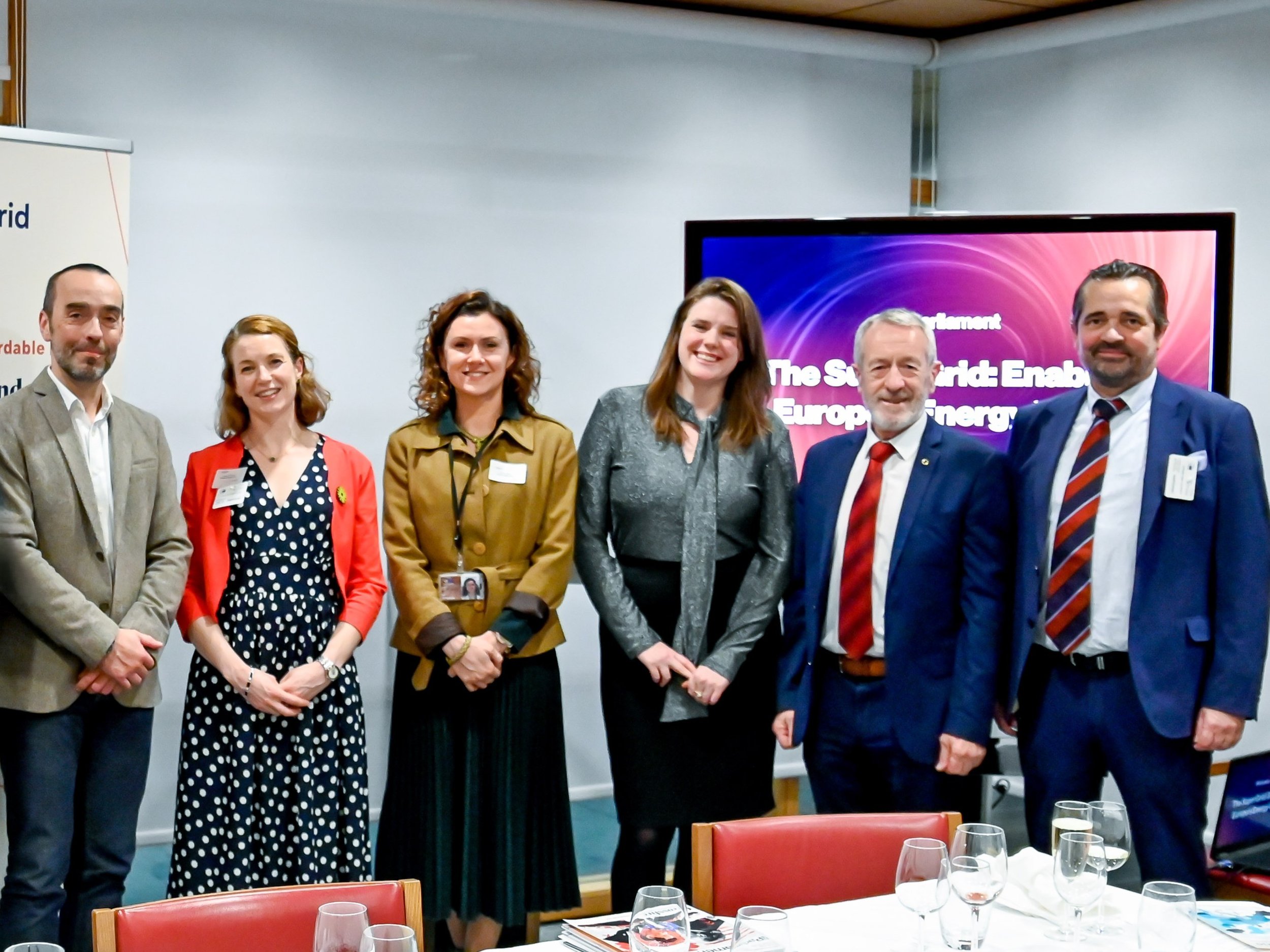
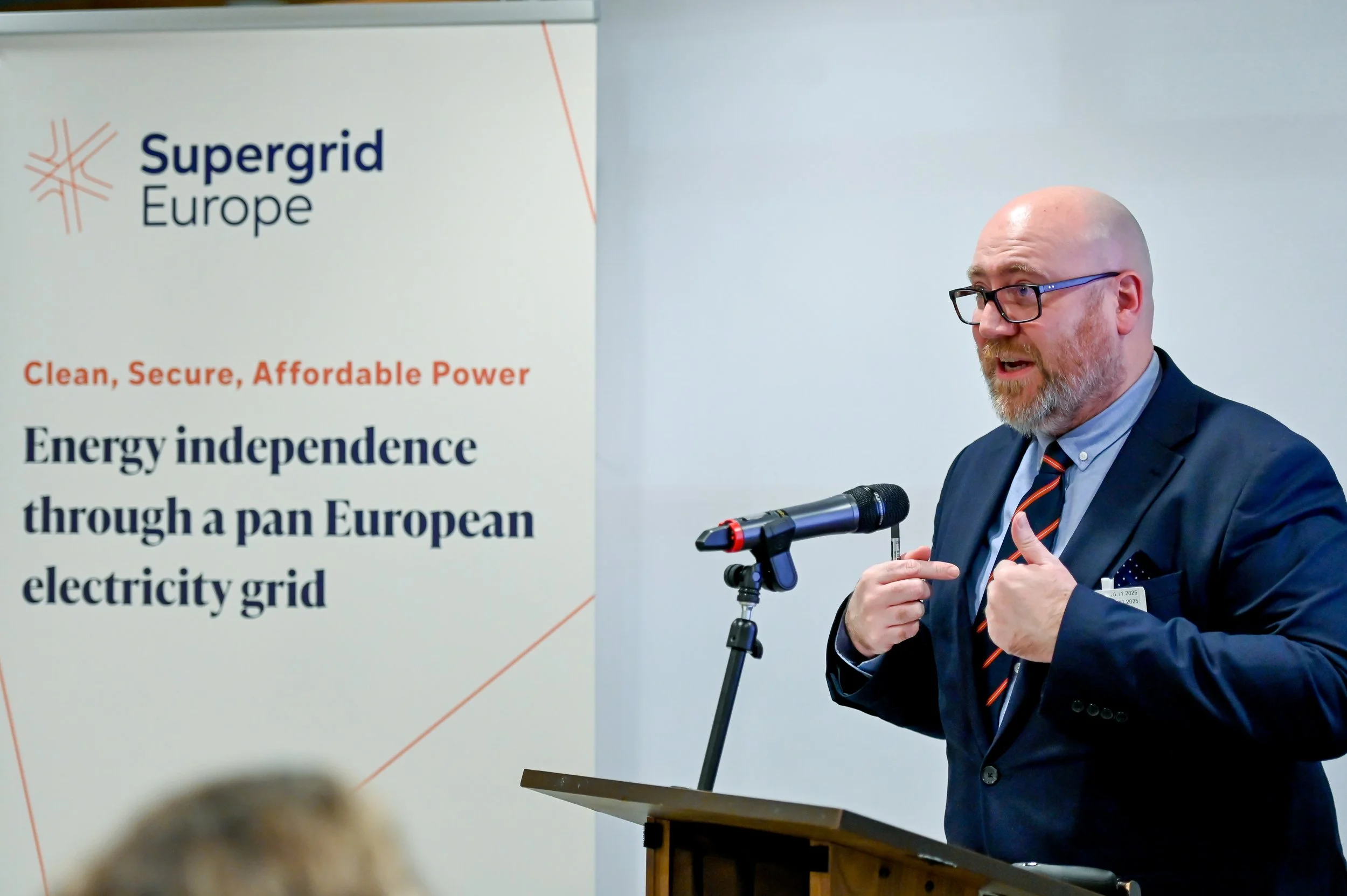
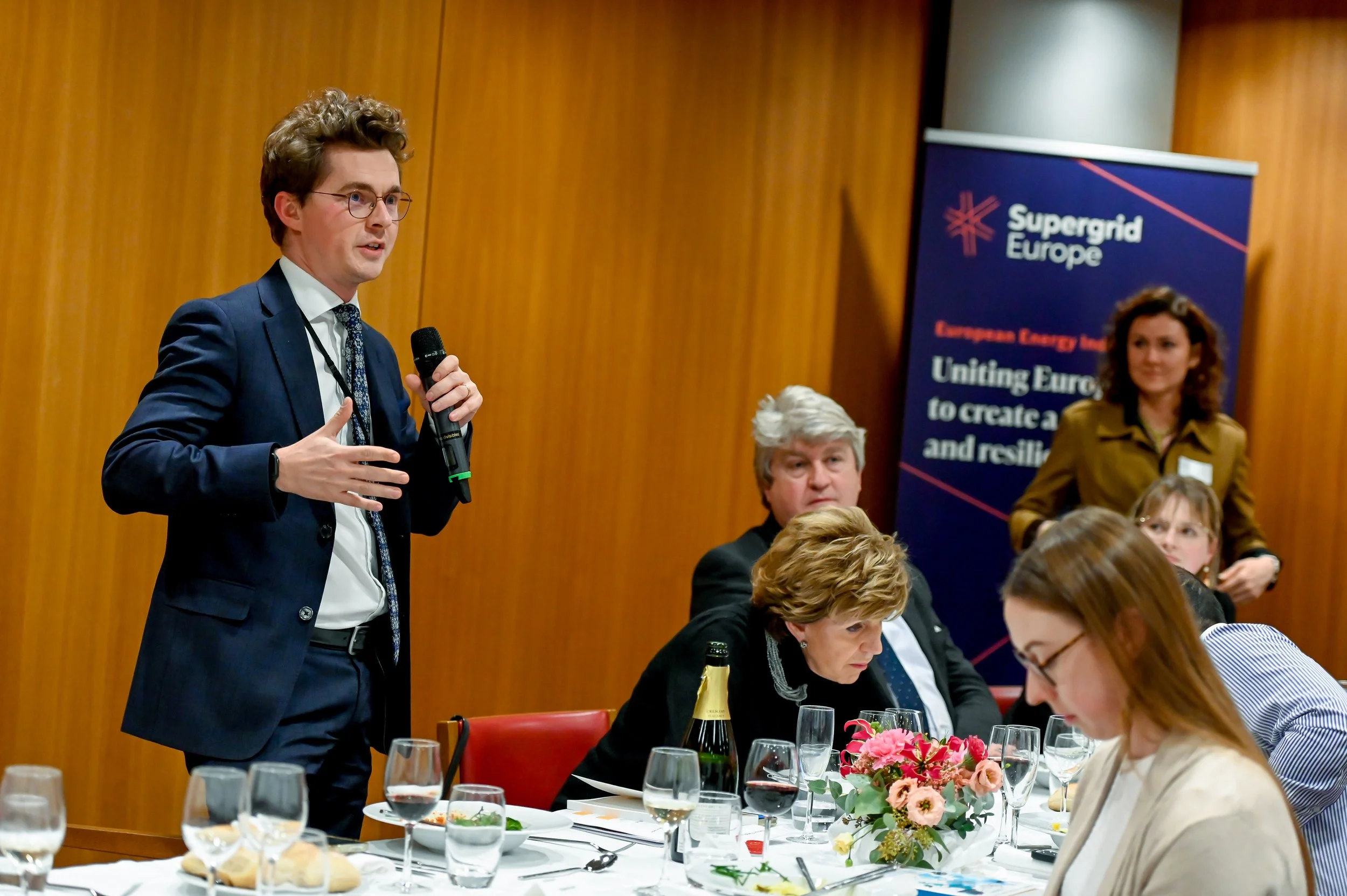
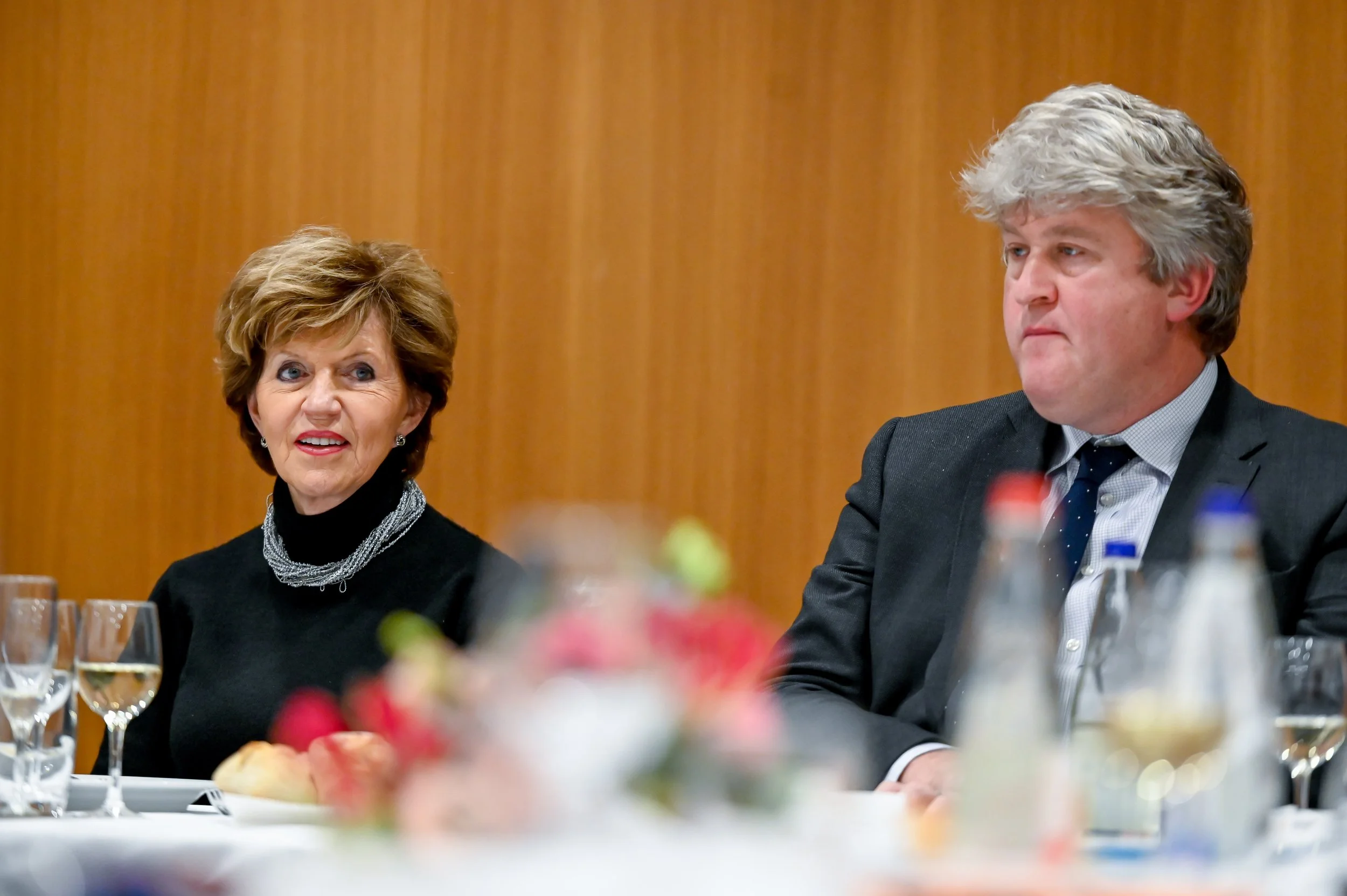
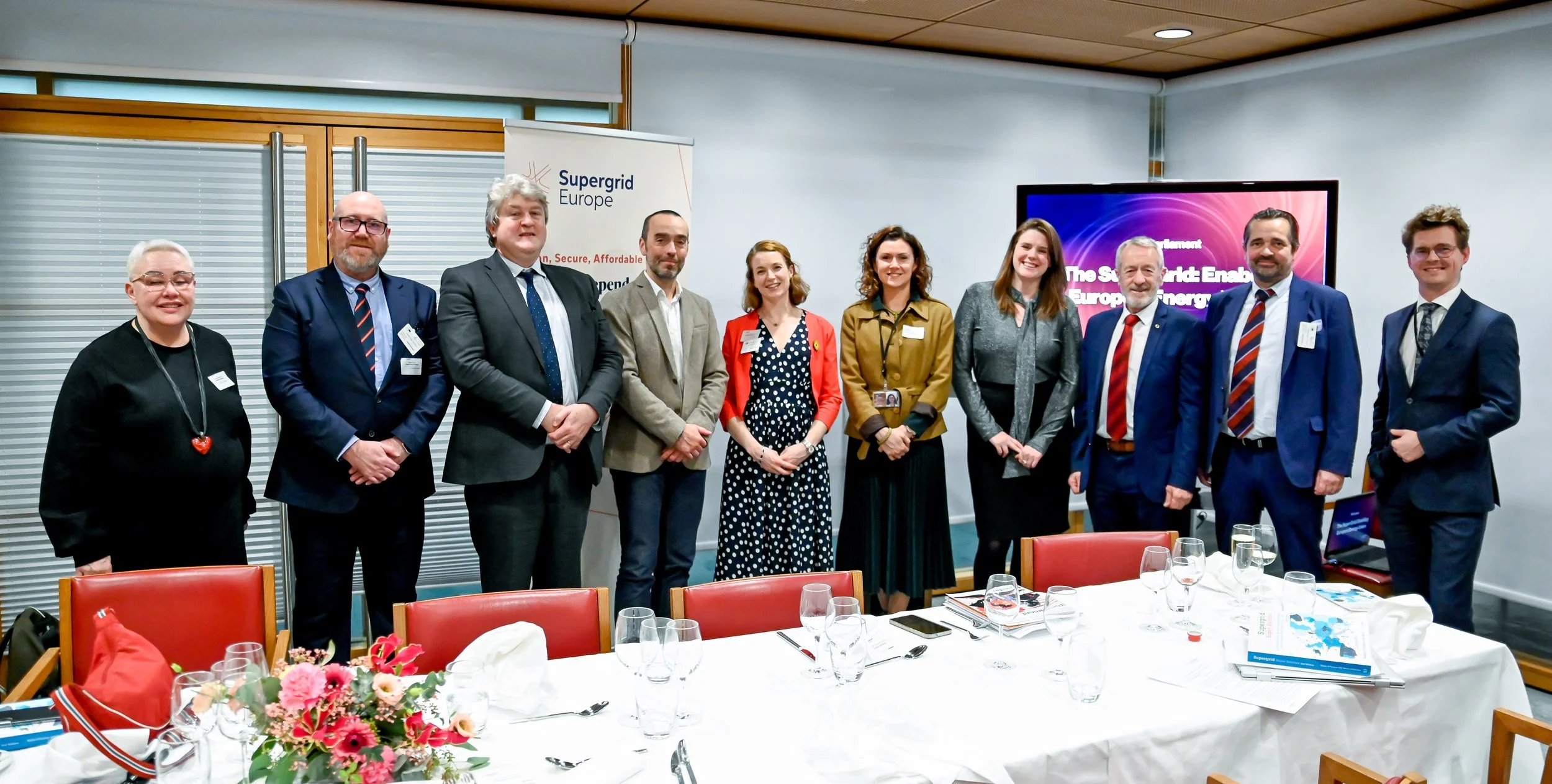
On Wednesday 26th November, SupergridEurope, in partnership with The Parliament Magazine, hosted The SuperGrid: Enabling Europe’s Energy Union at the European Parliament in Strasbourg. The event, co-hosted by MEP Seán Kelly and MEP Bruno Tobback, brought together EU policymakers, energy system leaders and industry experts to discuss how Europe can build a fully integrated, pan-European electricity system.
Europe must invest more than €1 trillion in its grids over the next 15 years to meet electrification needs, strengthen energy security and remain globally competitive. Grid bottlenecks are already placing Europe’s climate and energy objectives at risk. A continental-scale Supergrid would create an “internet for electrons”, enabling clean power to flow to where it is needed most. A pan-European Supergrid would be critical for physical and economic security, acting as the backbone of a more autonomous, resilient and climate-secure European energy order.
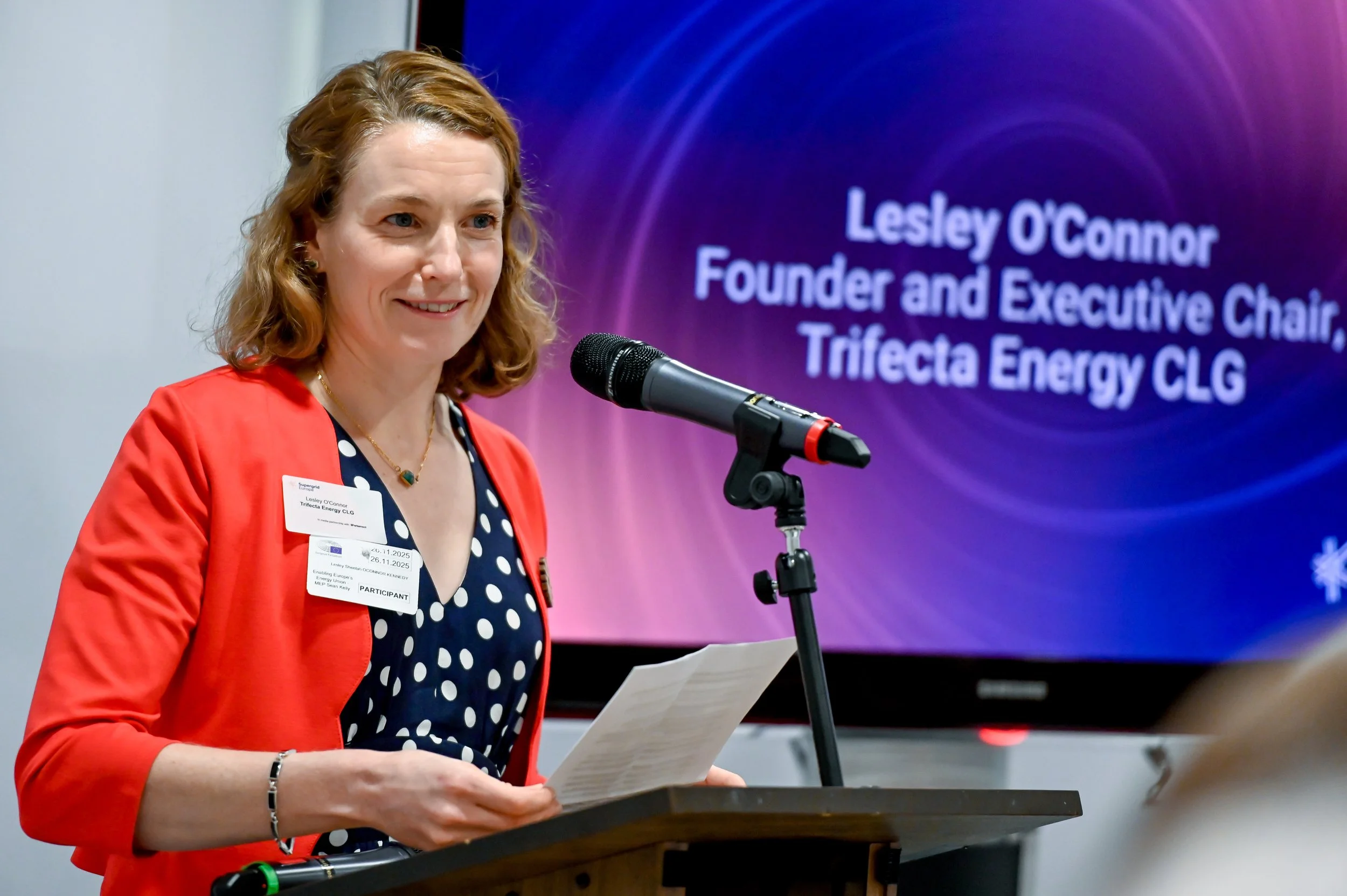
Lesley O’Connor, Founder and Chair of SupergridEurope, said:
“The economic case for grid interconnection is undeniable. Every €1.3 billion invested in Europe’s grids saves €4 billion in generation costs each year. A Supergrid is not just an efficiency measure, it is the backbone of a competitive, secure and affordable energy system for all Europeans.”
Recent signals from the European Parliament, EU Energy Ministers and the European Commission all point toward a more coordinated, long-term approach to grid planning. EU Energy Commissioner, Dan Jorgensen, recently called the upcoming European Grids Package “a major step towards building a 21st-century European supergrid”.
SupergridEurope believes that Europe now requires a unified framework for grid design and governance. This includes a European Grid Master Plan designed by independent master planners, new institutions such as a European Energy Agency and a European Independent System Operator to coordinate the system as one, and a top-down planning approach aligned with the EU’s 2030, 2040 and 2050 targets. Faster permitting, clear innovation pathways and targeted EU funding will be essential, alongside strengthened European supply chains and manufacturing capacity.
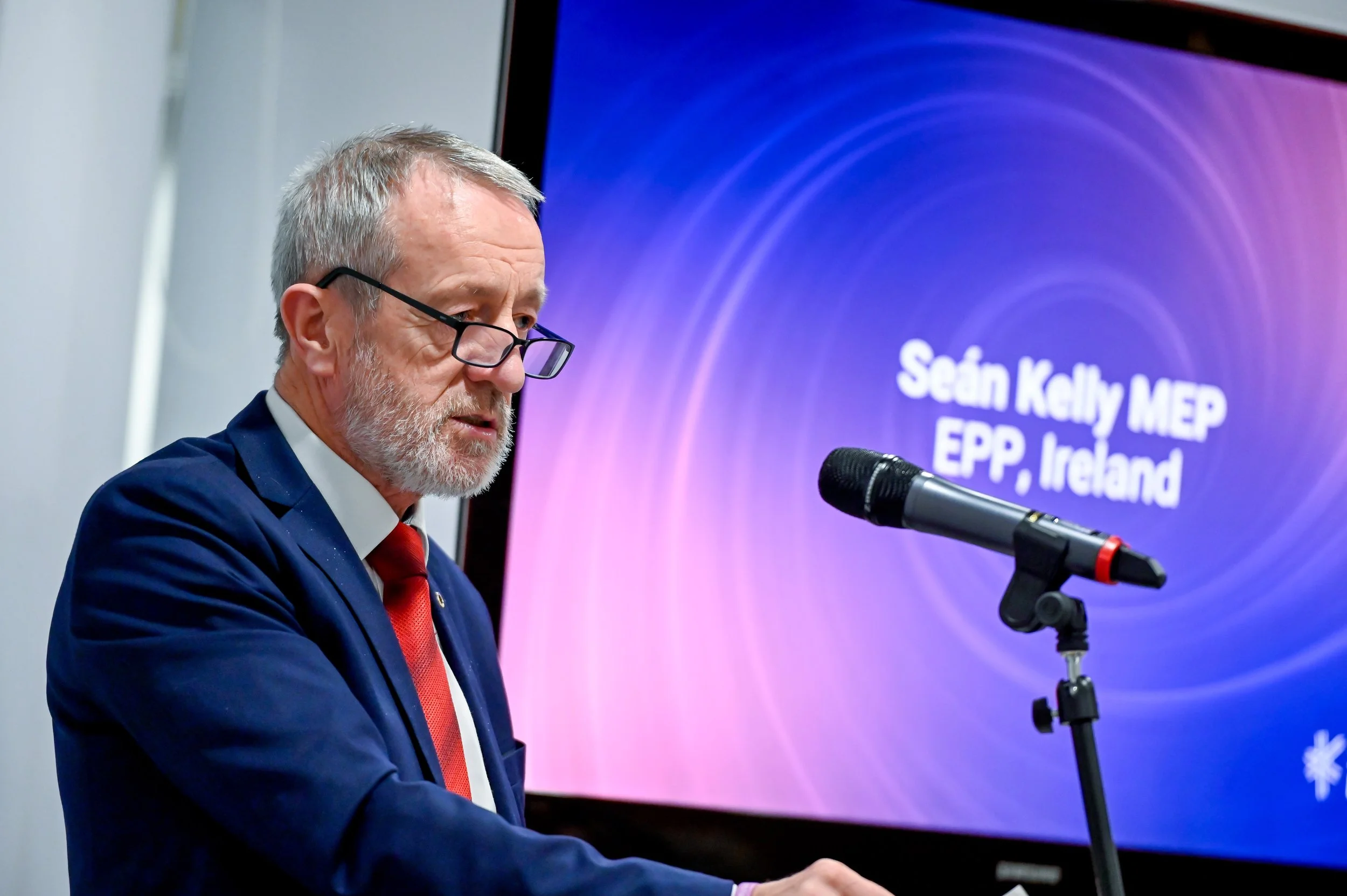
MEP Seán Kelly, co-host of the event, said:
"The forthcoming Grid Package is an opportunity for Europe to show real ambition and deliver a coordinated, continent-wide approach to delivering Net Zero. We need stop thinking about grids from just a national perspective and start planning a truly European electricity system that enables cost-effective electrification and efficient trade across borders. The Supergrid is the logical next step and would enable us move high volumes of electricity from where the resource is best to where the demand is highest."
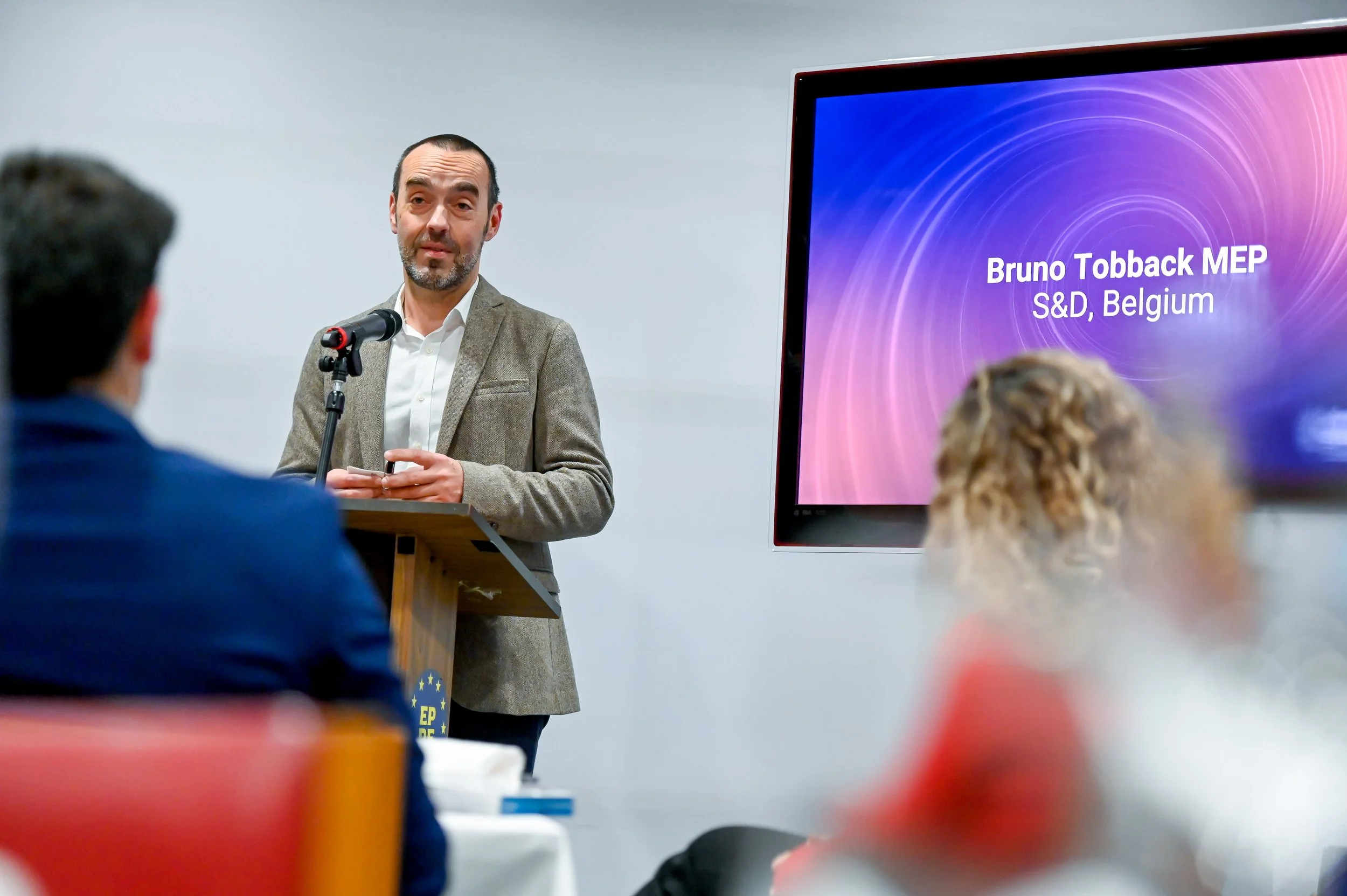
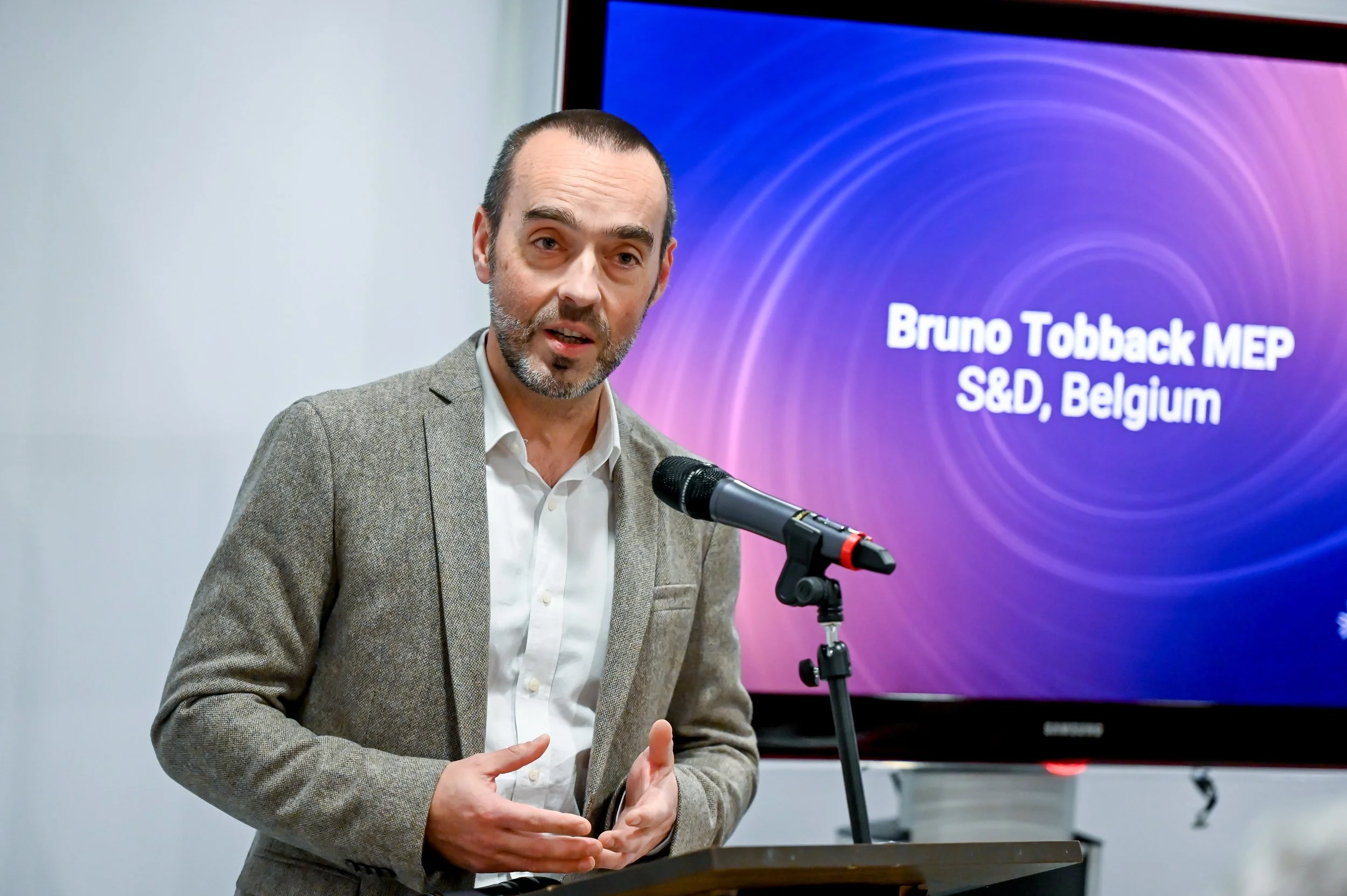
MEP Bruno Tobback, co-host of the event, said:
"Electrification is the key to a competitive future for Europe's economy. Investing in interconnectors is crucial to ensure that we do not have a Europe that electrifies at two speeds. But, given the limited resources, Europe needs a more top-down approach on the strategic planning of the continental grid and ensure determined action in the development and financing of cross-border interconnectors to bring cheap electricity prices to the European households and industry."
Gareth Dooley, Oxford Global Projects, said:
“Europe now needs to move from vision to execution. Evidence from mega projects worldwide shows that success depends on strong governance and rigorous planning, informed by real data, not wishful thinking. If we apply those lessons to Europe’s grids, we can deliver a reliable and affordable system for the clean energy economy.”
The discussion explored how Europe can sequence its investments, reform governance structures and accelerate deployment of the technologies needed to deliver a resilient, affordable and sustainable electricity system.